Riyadh qualifies six groups for One-Stop Stations PPP
3 February 2026
Saudi Arabia’s Roads General Authority (RGA), in collaboration with the National Centre for Privatisation & Public-Private Partnership (NCP), has qualified four groups and two standalone companies for a contract to develop the kingdom’s One-Stop Station project on a public-private partnership (PPP) basis.
The groups include:
- Al-Ayuni Investment & Contracting Company / Al-Jeri
- IC Ictas / Algihaz Holding / Al-Drees
- TechTrade Global / Al-Habbas / Fuelax / Markabat / Naqleen Company
- Petromin / Red Sea Housing
- Asyad
- Sasco
The project includes the development of facilities at several locations across the RGA’s 73,600-kilometre intercity road network.
The facilities include refuelling stations, commercial outlets, parking lots, driver rest areas, vehicle maintenance centres and other hospitality amenities.
The project will be implemented under a 30-year design, build, finance, operate and maintain (DBFOM) contract, and will be tendered in three waves comprising six packages.
The first wave will include the initial package, the second wave will encompass the second and third packages, and the third wave will cover the remaining three packages.
In August last year, 49 Saudi and international firms expressed interest in the contract to develop the kingdom’s One-Stop Station project, as MEED reported.
In January, Saudi Arabia launched a National Privatisation Strategy, which aims to mobilise $64bn in private sector capital by 2030.
The strategy was approved by Saudi Arabia’s Minister of Finance and chairman of the National Centre for Privatisation (NCP), Mohammed Bin Abdullah Al-Jadaan.
The strategy builds on the privatisation programme, which was first introduced in 2018. It will focus on unlocking state-owned assets for private investment and privatising selected government services.
The value of PPP contracts in Saudi Arabia has risen sharply over the past few years as the government seeks to develop projects through the private sector and diversify funding sources
PPPs have been used in Saudi Arabia and the wider GCC region for over two decades, but have primarily been limited to power generation and water desalination projects, where developers benefit from guaranteed take-or-pay power purchase agreements that eliminate demand risk.
As capital expenditure continues to increase, the NCP is expected to add dozens more PPPs to its future pipeline to reduce the state’s financial burden and stimulate private sector involvement in the local projects market.
Related
-

Kazakhstan and Denmark Move Toward Project-Based Cooperation: KAZAKH INVEST Signs Memorandum with the Confederation of Danish Industry
4 October 2026
-

Central Asian Startups Go Global
2 October 2026
-

Bechtel-Westinghouse sign EPC contract for Poland’s first nuclear plant
2 October 2026
-

Tenova, in collaboration with GE Vernova, to supply the World’s Largest EAF to Nippon Steel’s Yawata Works
30 September 2026
-

EU ROUNDUP: Hybrid and standalone BESS news in Italy, Germany and the Nordics, with Metlen, PNE and Mirova
30 September 2026
-

Dubai refinances 950 MW Noor Energy 1 CSP-PV plant at $2.7 billion
29 September 2026
You might also like...
-
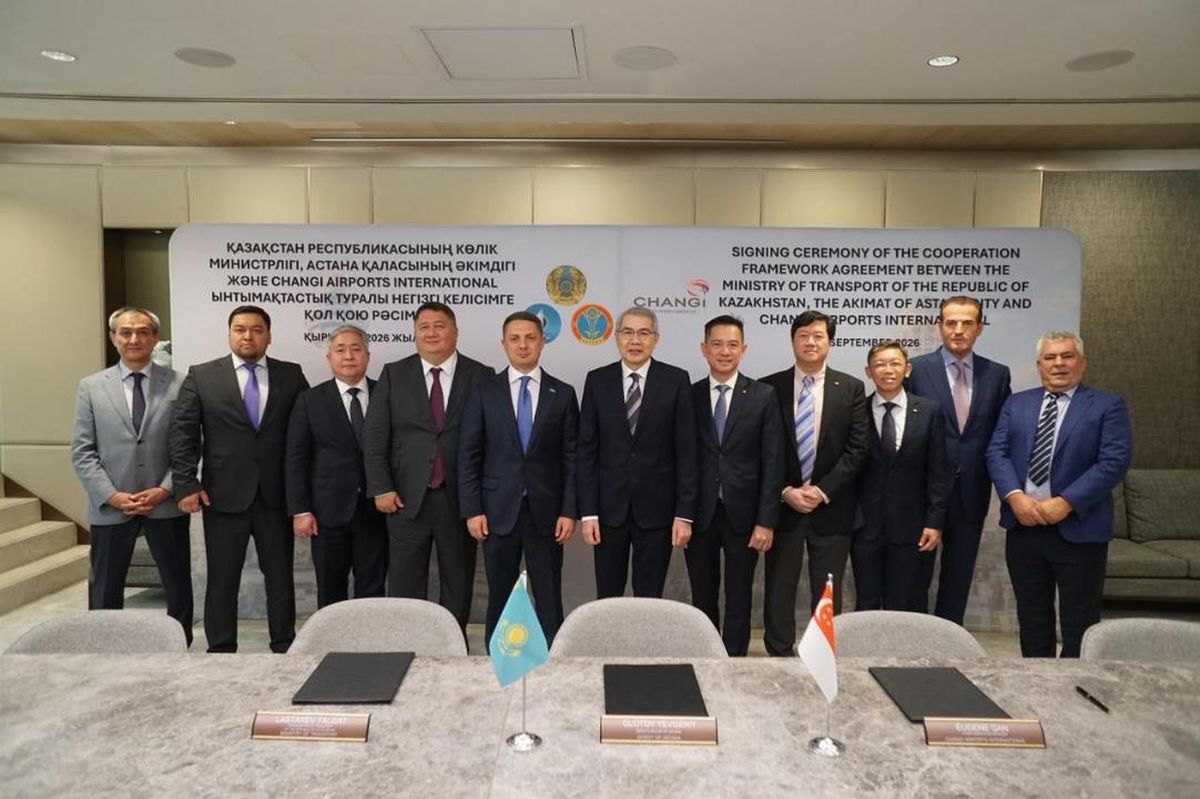
Changi Airports to participate in construction of new airport in Kazakhstan's Astana
24 September 2026
-

Saudi Arabia tenders Dariya-Afif road dualisation
23 September 2026
-

Contractors prepare Riyadh airport aviation complex bids
22 September 2026
-
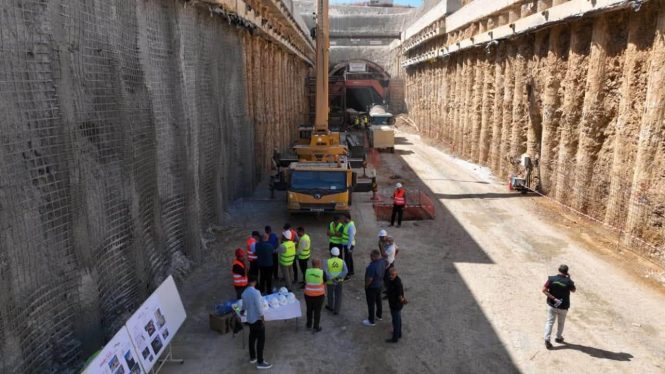
Excavation Completed on Tunnel No. 03 along Algeria’s Eastern Mining Railway
22 September 2026
-

Sacyr selected for Second Concession of Route 57 Santiago - Colina - Los Andes in Chile
14 September 2026
-

Six groups qualify for Saudi Arabia’s Qassim airport PPP
8 September 2026


 京公网安备
11010802030424号
京公网安备
11010802030424号  京ICP备19046776号-2