World Bank grants South Africa $1bn energy loan
30 October 2023
The World Bank has granted South Africa a $1bn (R18.89bn) Development Policy Loan (DPL) to help the nation transition to low-carbon energy and promote long-term energy security.
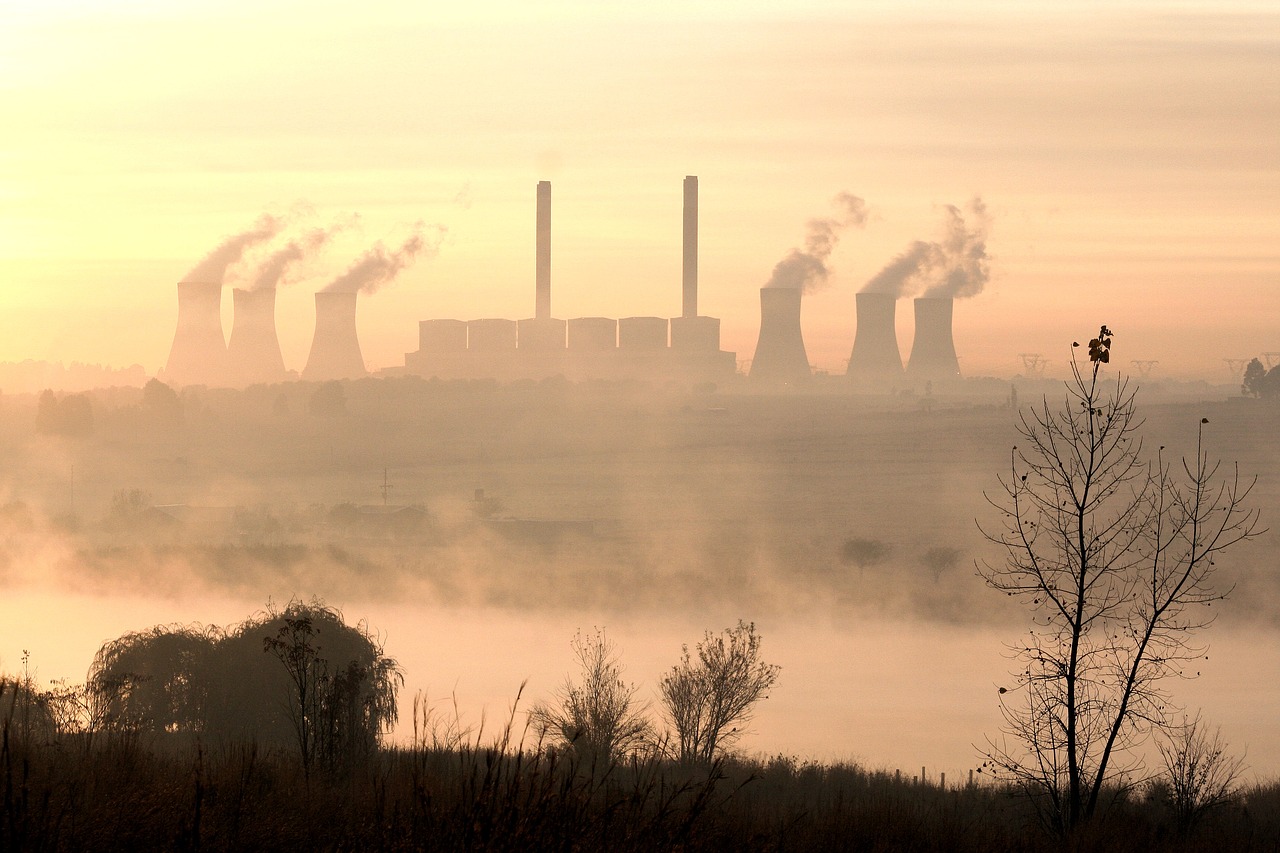
South Africa has been plagued by energy problems. The state utility company, Eskom, has failed to keep the lights on amid allegations of corruption among top officials. The endemic mismanagement and debt of Eskom has plunged the country into rolling blackouts known as “load-shedding”. Although the practice began in 2007, in 2023 load-shedding reached its highest pitch, with some residents facing 12-hour daily blackouts.
Eskom’s debts have prevented investment and its coal plants are ageing and inefficient. At times, the amount of energy the plants deliver is as low as 50% of their nominal capacity. The government’s attempts to bail out Eskom have been hamstrung by its own debt, which is among the highest in emerging market economies. Without external help, the energy crisis risks dragging down the rest of the South African economy; South Africa’s central bank estimates Eskom’s troubles and the knock-on effects cost the economy nearly $13bn this year.
The World Bank is now providing external assistance. In a statement, the bank said its $1bn loan “facilitates restructuring of the power sector through the unbundling of South Africa’s power utility, Eskom”. The loan aims to enable investment in transmission and maintenance of existing plants.
It will also encourage private investment in renewable energy by strengthening carbon pricing instruments and incentivising participation from households and small businesses, according to the World Bank.
Mmakgoshi Lekhethe, a director at the National Treasury of South Africa, said in a press statement: “This operation comes at a crucial time for South Africa as it will provide much needed fiscal and technical support, enabling us to pursue our policy priorities in the energy sector including easing the electricity crisis in the long term, stimulating private sector engagement and creating jobs in the renewables space.”
Along with its financial woes, Eskom’s particulate emissions last year were at their worst levels since the early 1990s. As ageing facilities are pushed to their limits, 15 of Eskom’s coal-fired power plants are breaching government particulate emissions regulations.
In 2021 South Africa’s Just Energy Transition Partnership was announced with the aim of winding down the country’s coal sector while promoting renewables with a $8.5bn financing package from France, Germany, the UK and the US.
Richard Halsey, Cape Town-based policy advisor for think tank the International Institute for Sustainable Development, told Energy Monitor, a sister publication of Power Technology: “Nearly two years later, there is still no publicly available implementation plan, and within the South African Government, there is growing push-back on the whole deal from some quarters.”
Related
-

乌兹别克斯坦9月托管账户交易量达34,659笔,环比增长3.8%
17 October 2026
-

乌兹别克斯坦与世界银行审议就业、劳动生产率及私营投资
17 October 2026
-

国际可再生能源署(IRENA)关于非洲微电网的数据尚未得到证实
16 October 2026
-
Eskom kicks off tender for 6 GW of renewables-plus-storage
13 October 2026
-

Zambia Exceeds Its 1,000 MW Solar Target With 1,027 MW Installed
13 October 2026
-

US agency to do more equity investing in Africa, official says
10 October 2026


 京公网安备
11010802030424号
京公网安备
11010802030424号  京ICP备19046776号-2