Syntys 20MW Qatar Data Centre: New AI-Ready Facility Breaks Ground to Expand Cloud Infrastructure
14 November 2026Syntys, a leader in physical and digital infrastructure services, specializing in the design, construction and operations of data centres, has broken ground on a new 20MW data centre facility in Qatar. This move expands the company’s infrastructure for large-scale computing environments. This data centre showcases how the Middle East countries are gearing up for the global data center development race.
Significance The project is part of Syntys’ strategy to scale its Qatar platform through both acquisition and new build. Earlier this year, the company acquired QData QFZ. This moved added two operational, Tier III-compliant, carrier-neutral facilities to its portfolio.
Currently, Syntys owns and operates four campuses in the country. This enables its customers to deploy primary and disaster recovery environments across separate in-country locations.
“Qatar is our home market, and we are seeing demand here translate into larger, denser and more varied deployments,” said Sunita Bottse, Chief Executive Officer of Syntys.
 The project is part of Syntys’ strategy to scale its Qatar platform through both acquisition and new build.
“We are investing to meet that demand and designing this capacity for the densities our customers are moving toward,” she stated at the groundbreaking ceremony which was attended by Mohammed bin Ali bin Mohammed Al Mannai, the Minister of Communications and Information Technology, alongside senior representatives from Ooredoo Group, Microsoft, Google, Kahramaa, the National Cyber Security Agency, Qatar Free Zones Authority and local banks.
Lastly, cloud platforms are a primary route through which organizations use AI, from features embedded in business software to the tools developers use to build applications. The computing enabling those services can require substantially higher rack power densities and more specialized cooling than conventional workloads.
Related
-

Oil and gas discovery in the North Sea adding volumes to Oseberg
18 November 2026
-

Collaborating to develop challenging discoveries
18 November 2026
-

Equinor, Aker BP and Vår Energi join forces to search for Norway’s next major discoveries
18 November 2026
-

Further development of Johan Sverdrup
18 November 2026
-
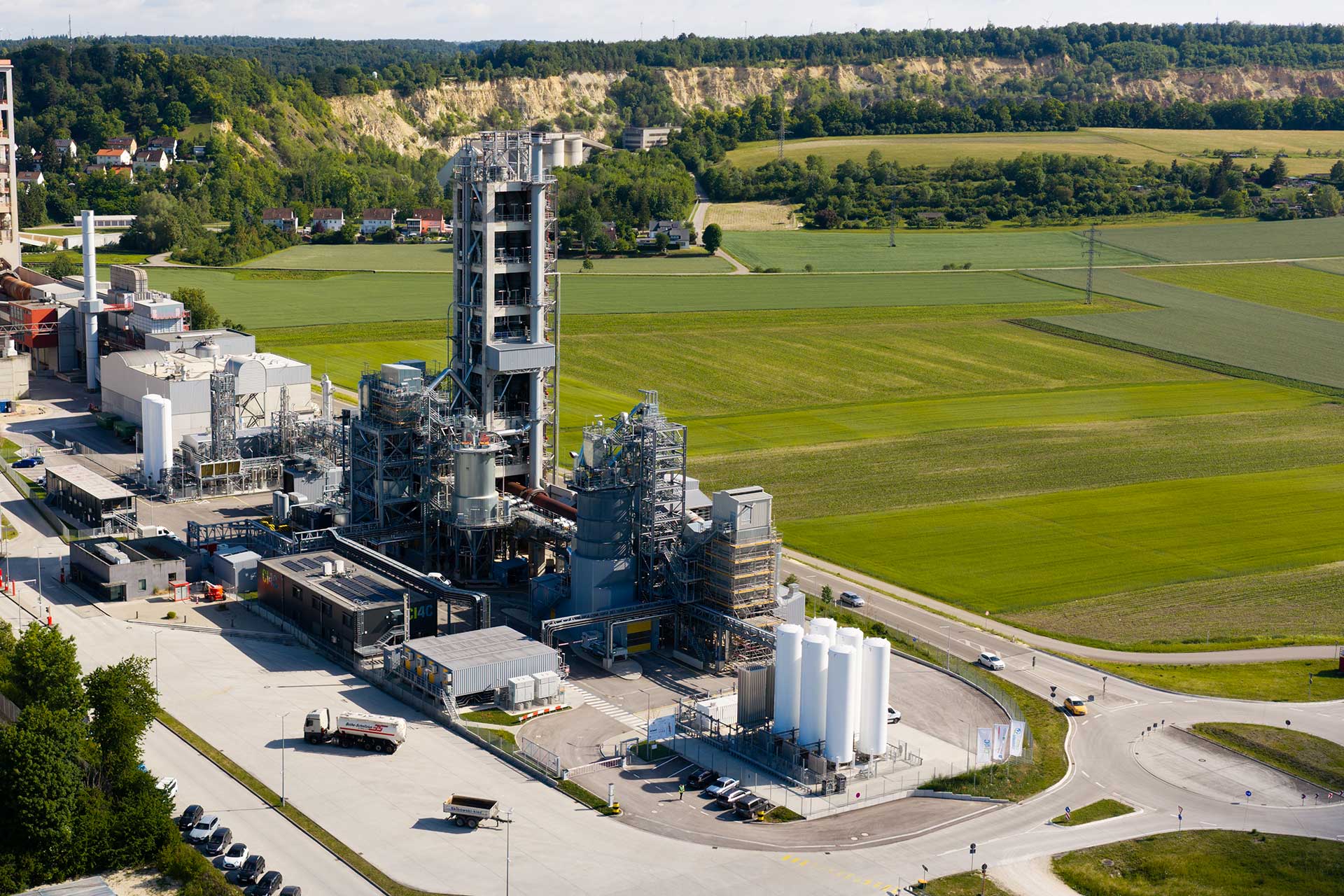
CO₂ research project “catch4climate” officially inaugurated with 200 guests from politics and industry
18 November 2026
-

LA ABC, GOBERNACIÓN Y TRANSPORTE ACUERDAN REINICIAR TRABAJOS DE SELLADO DE JUNTAS, BERMAS Y MANTENIMIENTO CONSTANTE EN EL DESVÍO PARA REACTIVAR LA DOBLE VÍA ORURO – CHALLAPATA
18 November 2026
You might also like...
-
CO₂ research project “catch4climate” officially inaugurated with 200 guests from politics and industry
18 November 2026
-

150MW data center project planned in Haifa, Israel
18 November 2026
-

Northern Europe Energy targets data center in Riihimäki, Finland
18 November 2026
-

100MW data center planned in Sussex, UK
18 November 2026
-

Giga Energy secures $1 billion lease for 60 MW AI data center in Texas
18 November 2026
-

Macquarie Data Centres eyes 200MW campus in Sydney, Australia
18 November 2026


 京公网安备
11010802030424号
 京ICP备19046776号-2