Malaysia’s data center industry gets 500 MW solar, 1 GWh battery storage boost
5 November 2026
A 500 MWac solar photovoltaic project coupled with a 250 MW/1,000 MWh battery energy storage system (BESS) is set to be developed on approximately 1,300 acres of land in Bahau, Negeri Sembilan, Malaysia.
The massive solar-plus-storage project will be developed by IOI Corporation Berhad (IOI), one of Malaysia’s leading integrated palm oil producers, in partnership with Tenaga Nasional Berhad (TNB), the country’s largest electricity utility, and a consortium of unspecified small and medium-sized enterprises.
“The project will be supported by TNB’s long-term renewable energy offtake agreement with DayOne Data Centres Limited, a leading global digital infrastructure platform headquartered in Singapore,” IOI said in a statement. “Under the agreement, DayOne is expected to procure up to 500MWac of renewable energy over a 21-year period to support its data centre operations in Malaysia, as announced by the parties on 11 June 2025.”
The project marks IOI’s first large-scale renewable energy investment under Malaysia’s Corporate Renewable Energy Supply Scheme (CRESS), which allows corporate electricity consumers to procure renewable power directly from independent developers through the national grid. The scheme aims to encourage private investment in renewable energy infrastructure while supporting the decarbonization of energy-intensive industries.
Malaysia is expanding its utility-scale solar and energy storage capacity to meet rising electricity demand from data centers. In August 2025, clean energy company Gentari and engineering group Gamuda unveiled plans to jointly develop 1.5 GW of solar capacity, alongside battery storage, to supply hyperscale data centers under CRESS.
The rapid growth of Malaysia’s data center industry has also raised concerns about electricity supply, grid capacity and water availability. A March 2026 analysis highlighted the challenges of meeting rising electricity demand while maintaining grid stability and ensuring sufficient dispatchable generation. Uncertainty over grid access charges has also been identified as a key factor affecting the commercial viability of corporate renewable energy projects.
In September 2026, Malaysia revised the CRESS framework to improve project bankability and stimulate investment. The changes introduced a fixed system access charge of MYR 0.14 ($0.03)/kWh for qualifying firm renewable electricity supply projects and a minimum 10-year contract term between developers and corporate consumers. Projects must begin commercial operations by the end of 2028 to qualify for the reduced charge. At the time, 11 renewable energy developers and eight corporate consumers had registered projects totaling approximately 3.15 GW under the scheme.
Related
-
Fireworks contracts 5MW of Nvidia Blackwell Ultra capacity at Era4 data center in UK
5 November 2026
-

OMS Group secures $1bn in financing for cable laying vessels
5 November 2026
-
NKT signs three cable supply agreements with Denmark’s N1
5 November 2026
-
Uzbekistan completes $171M World Bank-backed power grid project
5 November 2026
-
Kyrgyzstan plans over 20,000 apartments by end-2026
5 November 2026
-
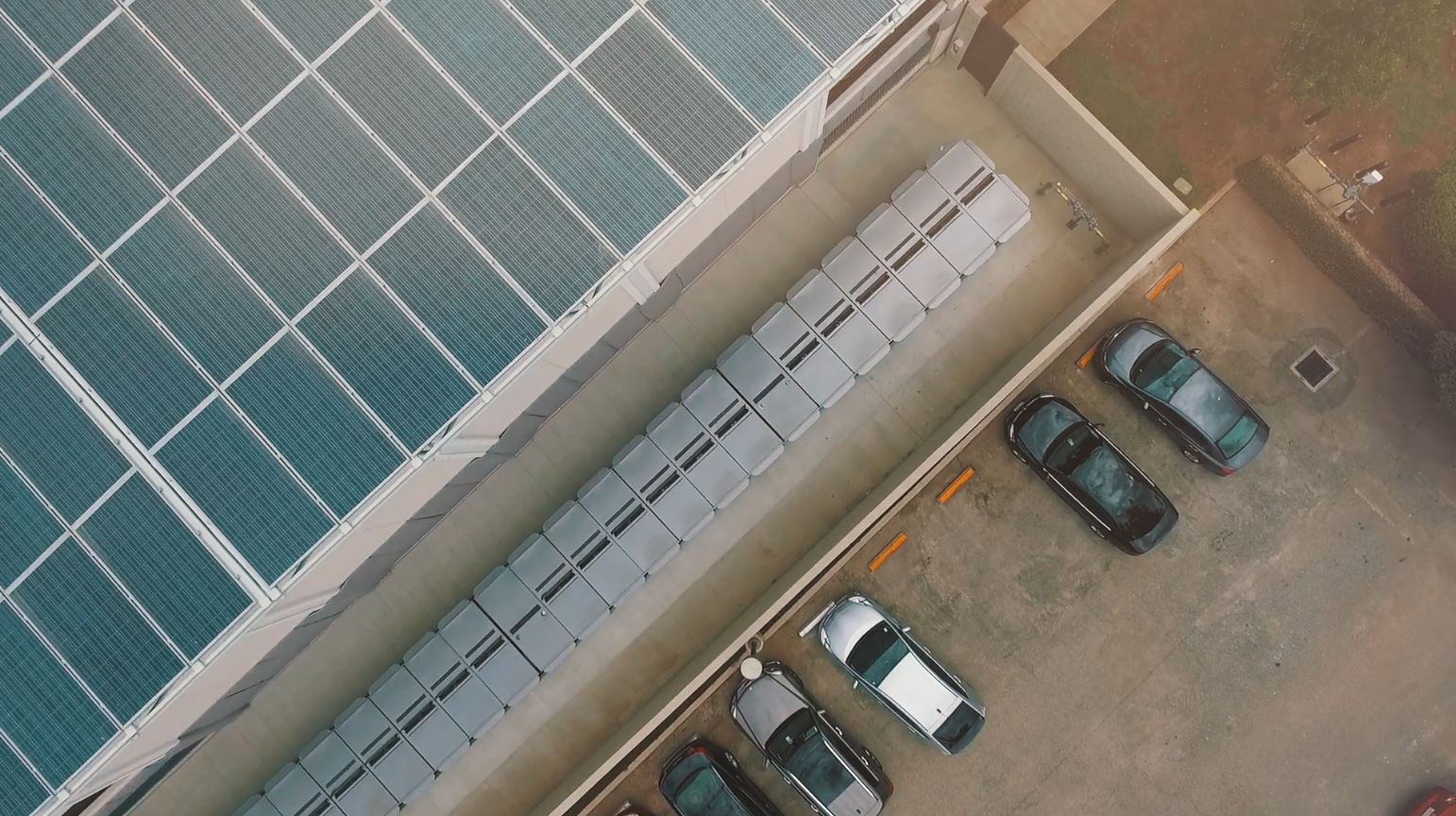
California Resources and Bloom Energy eye 1GW of fuel cells across California to power data centers and other offtakers
4 November 2026
You might also like...
-
Uzbekistan completes $171M World Bank-backed power grid project
5 November 2026
-
California Resources and Bloom Energy eye 1GW of fuel cells across California to power data centers and other offtakers
4 November 2026
-
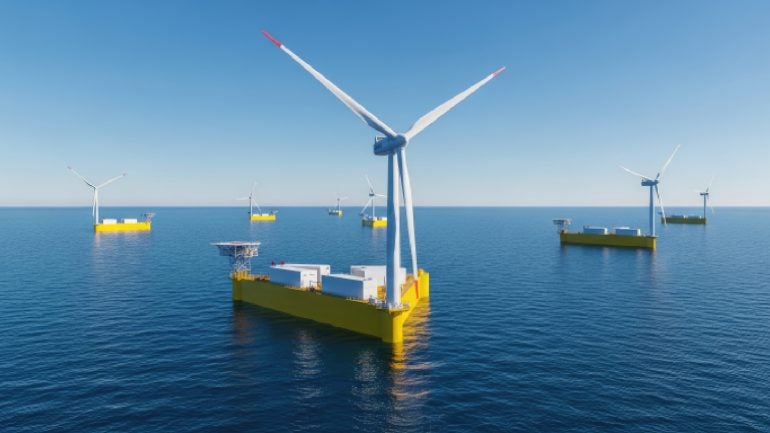
Fram Wind secures $209m grant for Norwegian floating wind project
4 November 2026
-
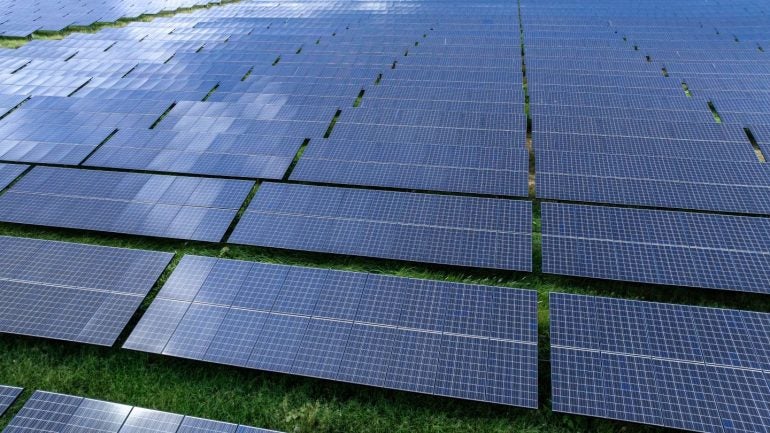
Sunraycer buys 325MWac solar projects in Illinois and Missouri
4 November 2026
-

SmartestEnergy signs PPA for 57 MW Whitelaw Brae wind farm
4 November 2026
-
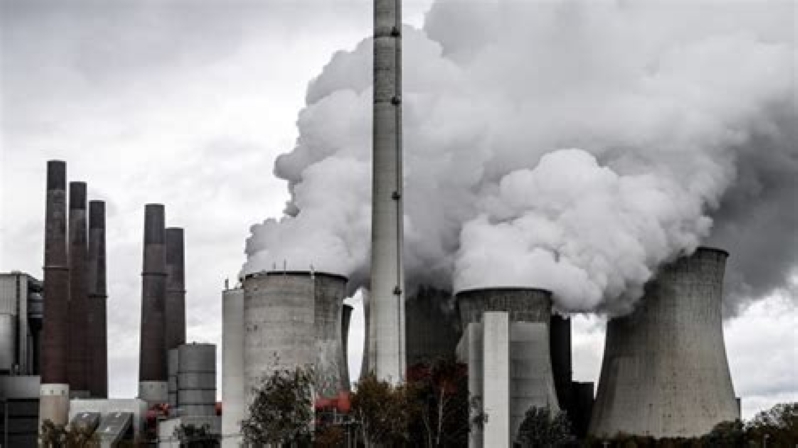
Germany awards $13 billion gas power plant contracts as coal-fired stations retire
4 November 2026


 京公网安备
11010802030424号
 京ICP备19046776号-2