Contractors complete Riyadh airport Terminal 6 work
27 October 2026
Three contractor teams have completed the early contractor involvement (ECI) phase for Terminal 6 at King Salman International airport (KSIA) in Riyadh, moving the scheme towards a main construction tender and contract award.
The participating consortiums are:
UCC Holding / Consolidated Contractors Company (Qatar/Greece) Modern Building Leaders / Powerchina / Metallurgical Corporation of China (loca/China/China) Al-Gihaz Holding / TAV Construction / Webuild (local/Turkiye/Italy)
King Salman International Airport Development Company (KSIADC), a subsidiary of Saudi sovereign wealth vehicle the Public Investment Fund, is delivering the terminal package on an ECI basis.
Under the completed phase, the shortlisted teams submitted detailed construction methodologies and technical design proposals.
Terminal 6 is planned to boost the airport’s annual capacity by 40 million passengers. KSIADC aims to complete the terminal ahead of Expo 2030 Riyadh.
In May last year, US-based Bechtel had been appointed as delivery partner for the passenger terminals at KSIA.
KSIADC's acting CEO Marco Mejia previously confirmed that the airport’s masterplan has been completed. UK-based Foster + Partners designed the masterplan, including the terminals, six parallel runways and a multi-asset real estate district.
US-based engineering firm Jacobs is providing specialist consultancy services for the masterplan and runway design, while UK-headquartered Mace is acting as delivery partner for the broader development. Local firm Nera secured the airspace design consultancy contract.
The KSIA project covers about 57 square kilometres (sq km) and incorporates the existing terminals at King Khalid International airport. The scheme will feature 12 sq km of airport support facilities, residential and recreational zones, retail assets and logistics parks.
The development is targeted to handle up to 120 million passengers a year by 2030 and 185 million passengers by 2050, in addition to an annual cargo throughput of 3.5 million tonnes by 2050.
Related
-
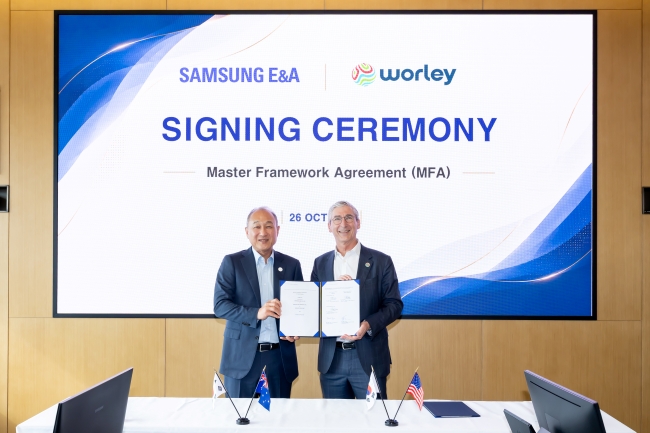
Worley and SAMSUNG E&A partner on selected major projects in the US
27 October 2026
-
SpaceX secures $40bn in debt financing, Elon Musk says
27 October 2026
-
Aramco selects contractors for five offshore tenders
27 October 2026
-
Nakheel awards $259m Dubai Islands buildings contract
27 October 2026
-

Parron Maam Marang, Western Australia’s Biggest Wind Farm Starts Construction, Eyes 2028 Completion
27 October 2026
-
1GW Dandara Solar Project in Upper Egypt Signs $650M Financing Agreement
27 October 2026
You might also like...
-
Morocco plans second high-speed rail phase to Agadir
27 October 2026
-
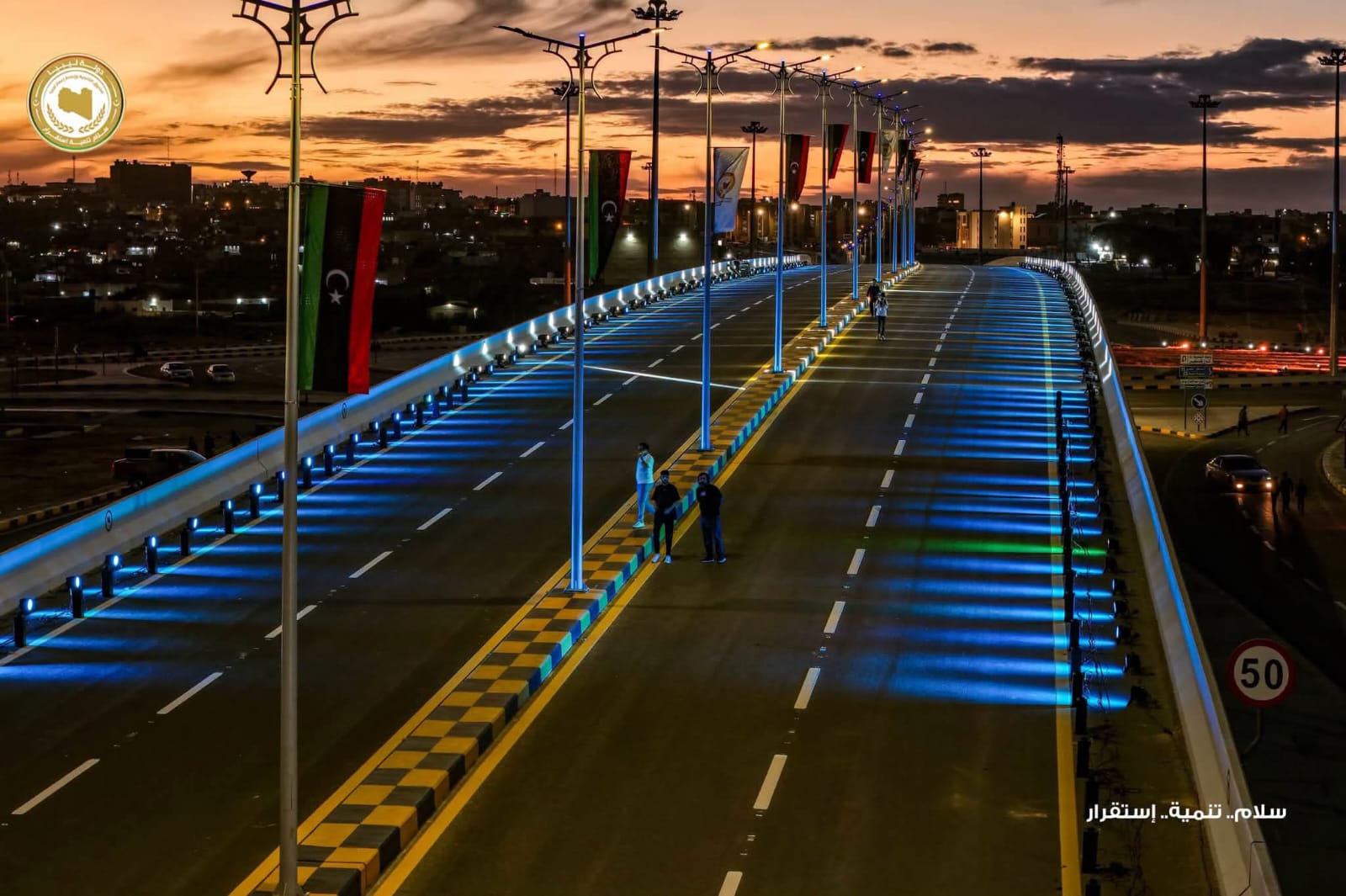
Arab Contractors inaugurates Two Bridges in the Libyan City of Tobruk
27 October 2026
-

UAE tenders design for 68km federal highway corridor
22 October 2026
-

Skanska to construct a new waterfront connection in New York, USA, for USD 163M, about SEK 1.5 billion
22 October 2026
-

Award of Construction Contract for Large-Scale Port and Harbor Project in Mozambique
22 October 2026
-

Jordan launches US$2.5bn UAE-backed mining railway project
21 October 2026


 京公网安备
11010802030424号
 京ICP备19046776号-2