Eleven German Associations Oppose Additional Grid Fee for Solar Installations
16 October 2026Eleven German federations from the energy, housing, real estate and skilled trades sectors oppose plans by the Bundesnetzagentur, the federal network regulator, to make operators of solar installations contribute more to grid costs. In a joint appeal, they call for the "prosumer surcharge" to be dropped and warn of a brake on solar expansion. The debate comes as EU solar employment reaches 874,000 full-time equivalent jobs in 2025. It also affects installations paired with storage, such as the 6 MW battery inaugurated by Verso Energy at its floating solar site.
Your tailored newsletterFollow all the news on Solar Energy worldwideBy continuing, you agree to receive our communications and advertising, which funds the newsroom. Your data is never sold.Advertisement
A grid tariff reform at the heart of the debate
The measure is part of the planned reform of electricity grid fees. The discussion centers on making households that generate part of their electricity with their own solar installation and consume it themselves contribute more to grid costs, regardless of how much they actually use the grid.
According to the federations, this change could significantly worsen the profitability of existing and new installations and noticeably slow solar deployment. They say the problem is compounded by the cuts to solar power support that the federal government is also planning.
A legal opinion challenges the lawfulness of the surcharge
Carsten Körnig, managing director of BSW-Solar (Bundesverband Solarwirtschaft), states that those investing in a solar installation or a battery must not be penalized with additional fees. In his view, grid fees should reflect actual use of the grid, not whether someone generates solar power on their own roof.
Lawyer and honorary professor Dörte Fouquet also expresses serious doubts about the lawfulness of the surcharge in an opinion commissioned by BSW-Solar. She points in particular to breaches of European rules on cost-reflective grid financing, of the principle of equal treatment and of constitutional protection of legitimate expectations for existing installations.
JobsJob opportunitiesSee all →Voir l’offre Amec Foster WheelerBasra, Iraq · IrakOperation Technology Project ManagerFull-timeOn-siteAmec Foster WheelerBasra, Iraq · IrakConstruction Lead (Marine Works)Full-timeOn-siteAmec Foster WheelerBasra, Iraq · IrakMarine SupervisorFull-timeOn-site
Federations call for allocation based on feed-in capacity
The signatories call for a fair distribution of grid costs based on the causation principle. If an additional contribution from solar installation operators proves necessary, they say it should be based on the feed-in capacity actually agreed. They also ask that existing installations benefit from grandfathering protection.
A representative YouGov survey of 2,105 eligible voters shows that 46% of respondents reject a larger cost contribution when it is independent of the grid connection capacity actually used and significantly worsens the profitability of solar installations. Only 25% support it.
Related
-

CO₂ research project “catch4climate” officially inaugurated with 200 guests from politics and industry
18 November 2026
-

Growth momentum accelerates in the third quarter: Heidelberg Materials increases result by 9% and confirms positive outlook for 2026
18 November 2026
-

Swedish energy giant Vattenfall selects Kraken to manage battery and renewable assets in Germany
18 November 2026
-

Ports Regulator’s integration into emerging Transport Economic Regulator targeted for January 2027
18 November 2026
-

Italy surpasses 1 million renewable-linked battery storage systems
18 November 2026
-

Poland awards 1.81 GW of solar in latest renewables auctions
18 November 2026
You might also like...
-

LA ABC, GOBERNACIÓN Y TRANSPORTE ACUERDAN REINICIAR TRABAJOS DE SELLADO DE JUNTAS, BERMAS Y MANTENIMIENTO CONSTANTE EN EL DESVÍO PARA REACTIVAR LA DOBLE VÍA ORURO – CHALLAPATA
18 November 2026
-

GOBIERNO PROMULGA DECRETO SUPREMO PARA EL FINANCIAMIENTO DE $US 95 MILLONES DE LA CAF DESTINADO A LA RUTA SANTA BÁRBARA – CARANAVI EN LA PAZ QUE CONSOLIDA EL CORREDOR ESTRATÉGICO OESTE - NORTE
18 November 2026
-
Japan's INPEX launches production at Marjoram gas field offshore Malaysia
18 November 2026
-
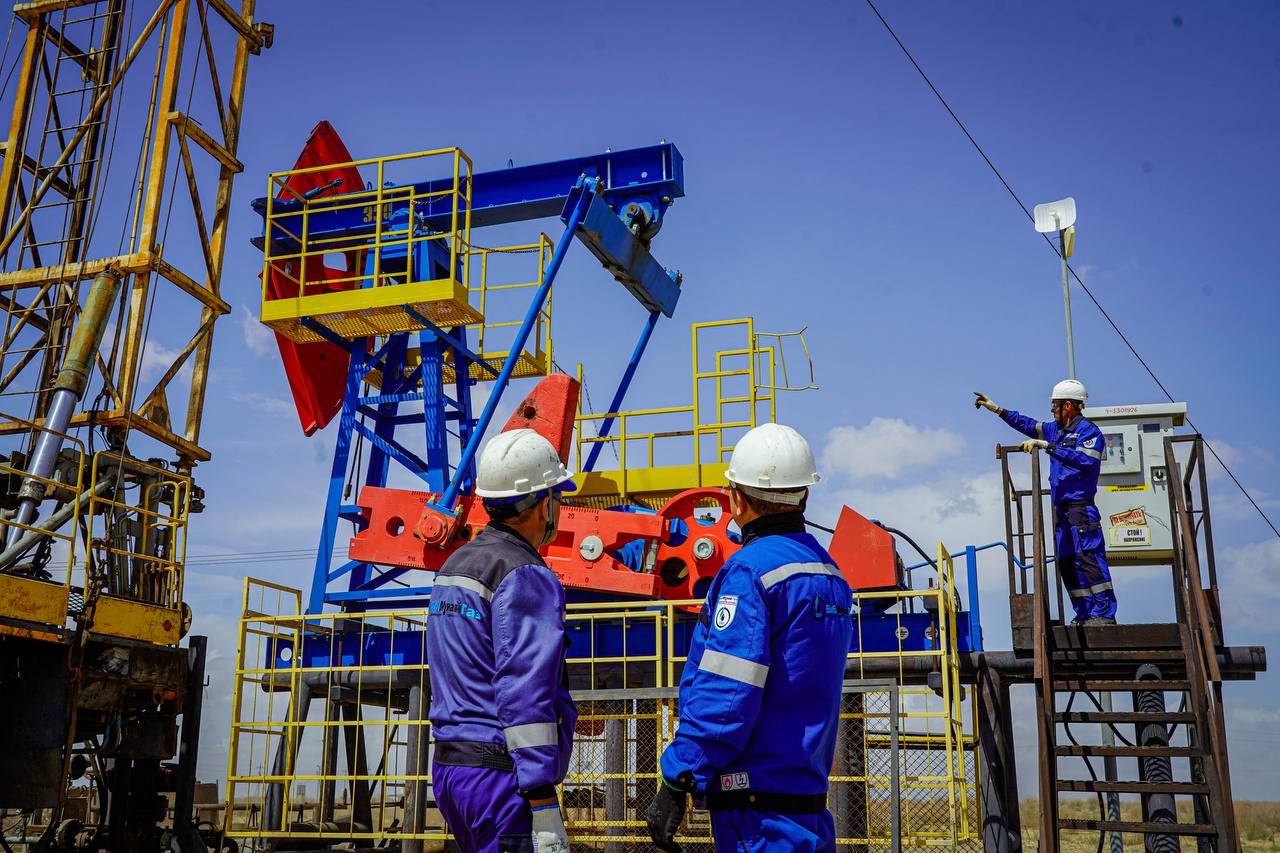
Australia's Grand Gulf Energy plans oil/gas exploration in Kazakhstan
18 November 2026
-

Vietnam moves to consolidate railway industrial hub plans to prevent redundant spending
18 November 2026
-

S Korean giant SK shifts investment strategy in Vietnam
18 November 2026


 京公网安备
11010802030424号
 京ICP备19046776号-2