Figures attributed to IRENA on African mini-grids remain unconfirmed
16 October 2026The World Energy Transitions Outlook report from the International Renewable Energy Agency (IRENA), published on 13 October 2026, has revived the question of decentralised electrification in Africa. The estimates attributed to the document on the number of Africans who could gain access to electricity through mini-grids and standalone solar systems could not, however, be confirmed. The access deficit remains concentrated in sub-Saharan Africa, notably in Nigeria, where Shell is selling its gas distribution network to Vaaris Energy. The World Bank and the African Development Bank (AfDB) also back the Mission 300 initiative, dedicated to electrifying sub-Saharan Africa.
Your tailored newsletterFollow all the news on Solar Energy and Power Grids worldwideBy continuing, you agree to receive our communications and advertising, which funds the newsroom. Your data is never sold.Advertisement
A report that does not mention decentralised Africa
The report stresses that expanding renewable generation is not enough without stronger grids, energy efficiency and system flexibility. The excerpts of the launch release reviewed do not mention decentralised electrification in Africa. The estimate of the number of people concerned, the share of these solutions in the connections envisaged and the list of priority countries are attributed to the full report, which could not be opened.
These elements remain unverified statements attributed to IRENA. Analyses from the Sustainable Energy for All (SEforALL) initiative, the International Energy Agency (IEA) access scenario and the World Bank's ESMAP programme on mini-grids provide the figures-based context for the issue.
An access deficit that remains concentrated
The number of people without electricity worldwide remains very high. The deficit in rural sub-Saharan Africa has widened for more than a decade, with population growth absorbing much of the progress. The number of people gaining access in a given year far exceeds the net reduction in the deficit, since new people without access appear at the same time.
Nigeria and the Democratic Republic of the Congo have the largest deficits in number of people, ahead of Ethiopia. Globally, renewable capacity is growing at a very different pace, as shown by China, which reaches 2,496 GW of renewables.
JobsJob opportunitiesSee all →Voir l’offre ACCIONA2 Locations · AustralieElectrical Linesworkers – Overhead Transmission Linesperson AssistantFull-timeOn-site
 APA Group2 Locations · AustralieNewSenior Project Development EngineerFull-timeOn-siteACCIONA2 Locations · AustralieSupervisor - CivilFull-timeOn-site
Mini-grids, solar kits and access levels
A mini-grid is a small local power plant, most often solar and equipped with batteries, that supplies a village or an isolated area through a limited distribution network. A standalone solar system is an individual kit, made up of a panel, a battery and a few lights or appliances, installed at a household or business. Both solutions are called decentralised because they do not depend on the national grid.
The word "access" covers very different levels of service: a home kit allows lighting and phone charging, whereas a connection to the grid or to a properly sized mini-grid powers more demanding appliances. In practice, most off-grid households have a limited number of hours of electricity each day. Only a minority of households without access can afford the monthly payments for an entry-level kit.
DataELECTRICITY MIXBangladesh · July 2026Low-carbon share2.9 %Leading source : Coal, 43.9 % of generation.
- Coal43.9 %
- Gas41.0 %
- Other fossil12.2 %
- Hydro1.5 %
- Solar1.2 %
- Wind0.2 %
All 91 countries in the Terminal↗Source : Ember · Monthly electricity data, Ember, via the energynews Data API.
Installed capacity and people served
According to IRENA, off-grid renewable capacity installed in Africa would have grown sharply over the past decade. The African total and the starting point, however, were not found in the tables reviewed.
Installed capacity measures power, not a number of people served: the same power can serve very different populations depending on the technology, a small solar kit serving a household with very little power. Globally, off-grid capacity and the number of people served are two distinct indicators, and Africa accounts for the vast majority of people served.
Related
-

Ports Regulator’s integration into emerging Transport Economic Regulator targeted for January 2027
18 November 2026
-

Italy surpasses 1 million renewable-linked battery storage systems
18 November 2026
-
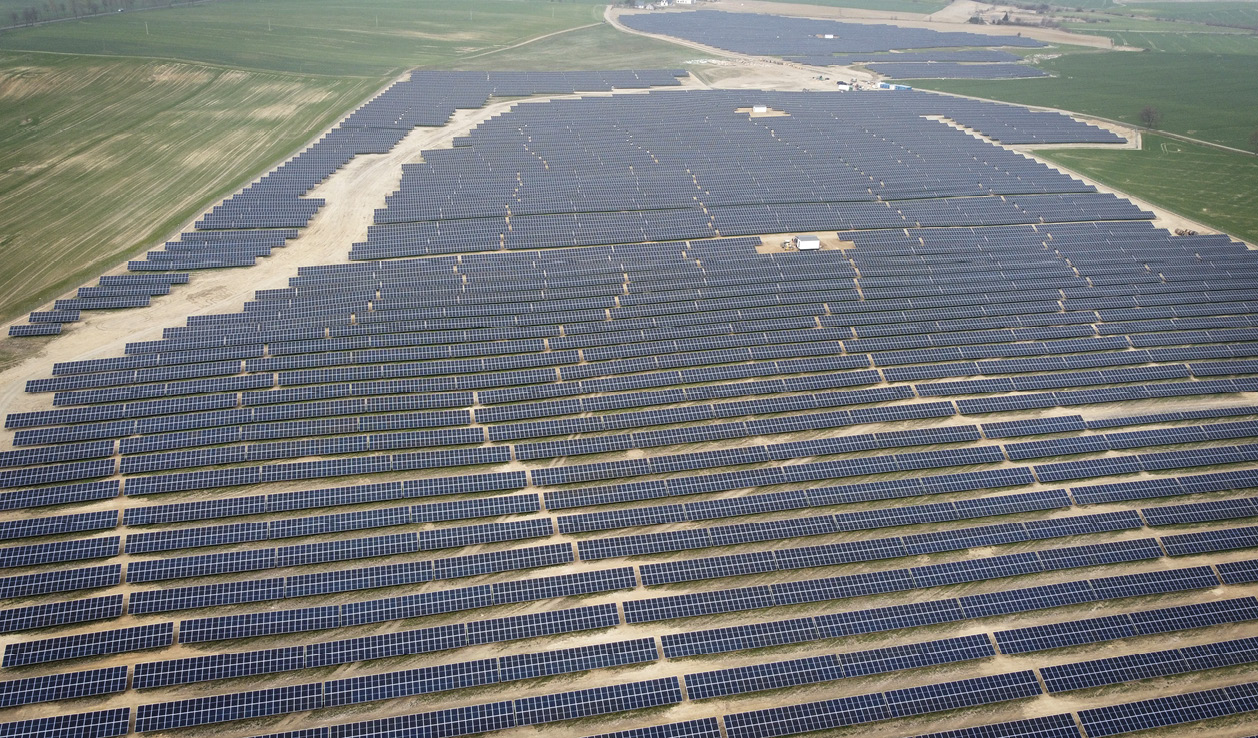
Poland awards 1.81 GW of solar in latest renewables auctions
18 November 2026
-

Vietnam’s energy security under pressure as net energy imports near 44%
17 November 2026
-

Reservas probadas de gas natural en Bolivia caen a 2,3 TCF, el más bajo nivel registrado en dos décadas
17 November 2026
-

Gobierno autoriza importación excepcional de Gas Natural y Gas Natural Licuado a privados para consumo propio y generación eléctrica
17 November 2026
You might also like...
-

LA ABC, GOBERNACIÓN Y TRANSPORTE ACUERDAN REINICIAR TRABAJOS DE SELLADO DE JUNTAS, BERMAS Y MANTENIMIENTO CONSTANTE EN EL DESVÍO PARA REACTIVAR LA DOBLE VÍA ORURO – CHALLAPATA
18 November 2026
-

GOBIERNO PROMULGA DECRETO SUPREMO PARA EL FINANCIAMIENTO DE $US 95 MILLONES DE LA CAF DESTINADO A LA RUTA SANTA BÁRBARA – CARANAVI EN LA PAZ QUE CONSOLIDA EL CORREDOR ESTRATÉGICO OESTE - NORTE
18 November 2026
-

Japan's INPEX launches production at Marjoram gas field offshore Malaysia
18 November 2026
-
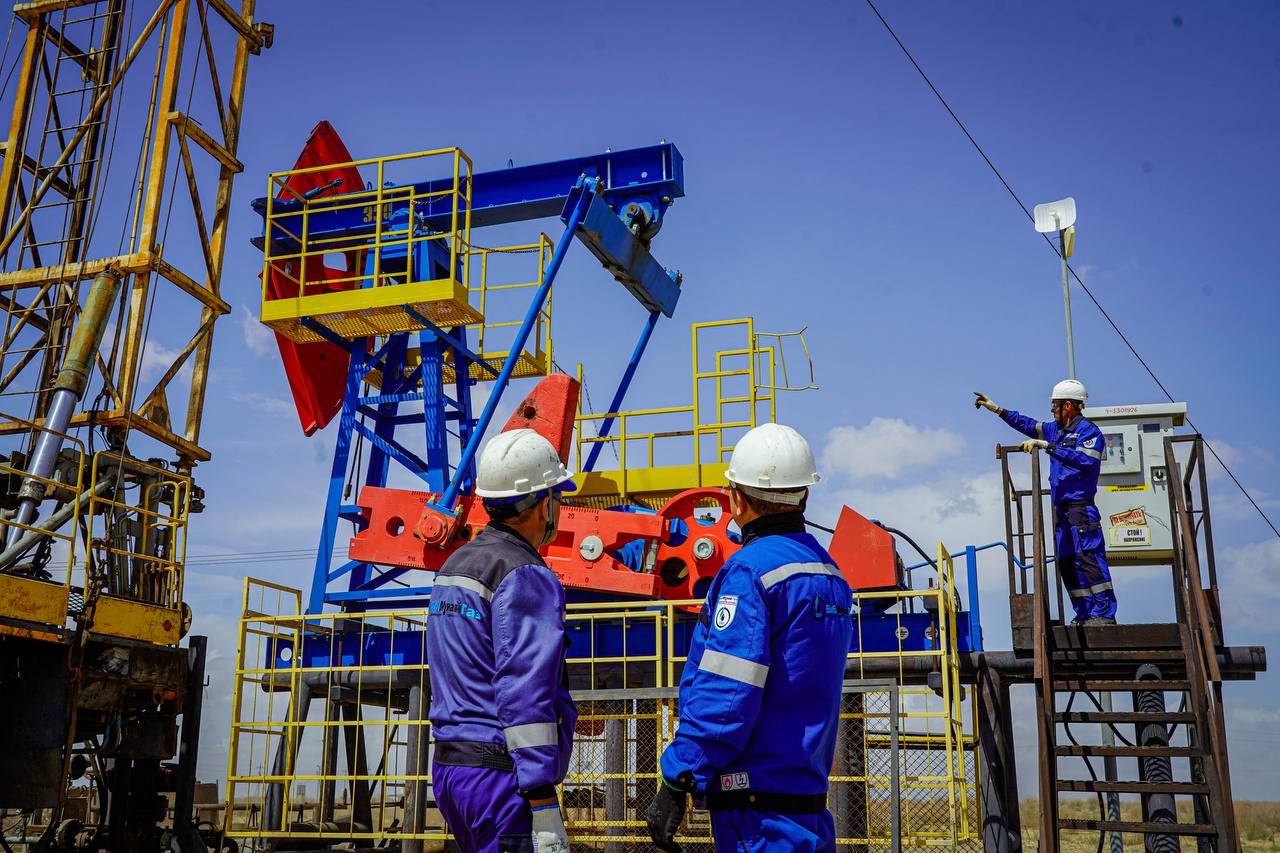
Australia's Grand Gulf Energy plans oil/gas exploration in Kazakhstan
18 November 2026
-

Vietnam moves to consolidate railway industrial hub plans to prevent redundant spending
18 November 2026
-

S Korean giant SK shifts investment strategy in Vietnam
18 November 2026


 京公网安备
11010802030424号
 京ICP备19046776号-2