Philippines DoE unveils framework for carbon credits in energy sector
20 October 2025
The Department of Energy (DoE) in the Philippines has introduced the nation’s initial set of regulations for carbon credits within the energy sector.
This initiative aims to reduce greenhouse gas emissions, draw investments in clean energy, and prepare the country to engage in international carbon trading markets.
Philippines Energy Secretary Sharon S Garin signed Department Circular No. DC2025-09-0018, titled ‘Providing the General Guidelines for the Generation, Management, and Monitoring of Carbon Credits in the Energy Sector’ on 23 September 2025.
Formally issued on 10 October, the circular outlines the policy framework for carbon credits in the domestic energy sector.
The policy acts as the DoE’s primary tool to guide energy stakeholders, especially those in the private sector, in tapping into carbon finance.
It prepares them for upcoming carbon market mechanisms and aligns sector actions via specialised DoE Task Force on Energy Carbon Credits.
The framework promotes transparency, accountability, and environmental integrity.
The circular ensures that projects produce genuine emission reductions aligning with international best practices and national policies.
Additionally, it prevents double counting and sets clear rules for ownership, use, and transfer of carbon credits.
Within the framework, a carbon credit certificate (CCC) will represent a reduction of one tonne of carbon dioxide equivalent.
The CCC is capable of undergoing both national and international verification and authorisation processes via the Designated National Authority.
The Philippines seeks to engage in either bilateral or multilateral trade of carbon credits with nations such as Singapore, Japan, and various European countries.
These collaborations are expected to facilitate the exchange of best practices and the development of high-integrity carbon markets.
The policy seeks to propel the energy transition by harnessing abundant renewable energy resources, encouraging energy efficiency and supporting the development of low-carbon technologies.
This aligns with the Paris Agreement’s objective of limiting global temperature rise to well below 2°C, with efforts to restrict it to 1.5°C.
The issuance of this circular also highlights the DoE’s proactive efforts in advancing the objectives of the Philippine Energy Plan 2023-2050, aiming for a secure, sustainable, and low-carbon energy future.
Related
-

Ports Regulator’s integration into emerging Transport Economic Regulator targeted for January 2027
18 November 2026
-

Italy surpasses 1 million renewable-linked battery storage systems
18 November 2026
-
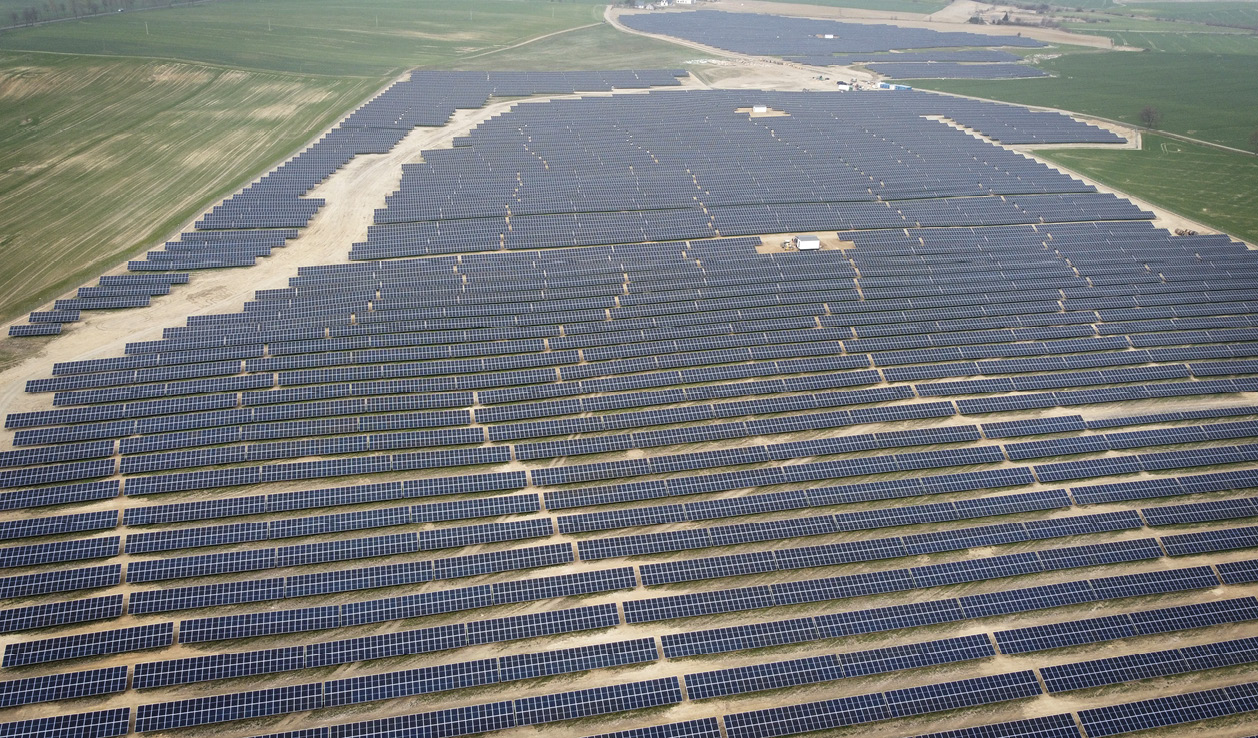
Poland awards 1.81 GW of solar in latest renewables auctions
18 November 2026
-

Vietnam’s energy security under pressure as net energy imports near 44%
17 November 2026
-

Reservas probadas de gas natural en Bolivia caen a 2,3 TCF, el más bajo nivel registrado en dos décadas
17 November 2026
-

Gobierno autoriza importación excepcional de Gas Natural y Gas Natural Licuado a privados para consumo propio y generación eléctrica
17 November 2026
You might also like...
-

LA ABC, GOBERNACIÓN Y TRANSPORTE ACUERDAN REINICIAR TRABAJOS DE SELLADO DE JUNTAS, BERMAS Y MANTENIMIENTO CONSTANTE EN EL DESVÍO PARA REACTIVAR LA DOBLE VÍA ORURO – CHALLAPATA
18 November 2026
-

GOBIERNO PROMULGA DECRETO SUPREMO PARA EL FINANCIAMIENTO DE $US 95 MILLONES DE LA CAF DESTINADO A LA RUTA SANTA BÁRBARA – CARANAVI EN LA PAZ QUE CONSOLIDA EL CORREDOR ESTRATÉGICO OESTE - NORTE
18 November 2026
-
Japan's INPEX launches production at Marjoram gas field offshore Malaysia
18 November 2026
-
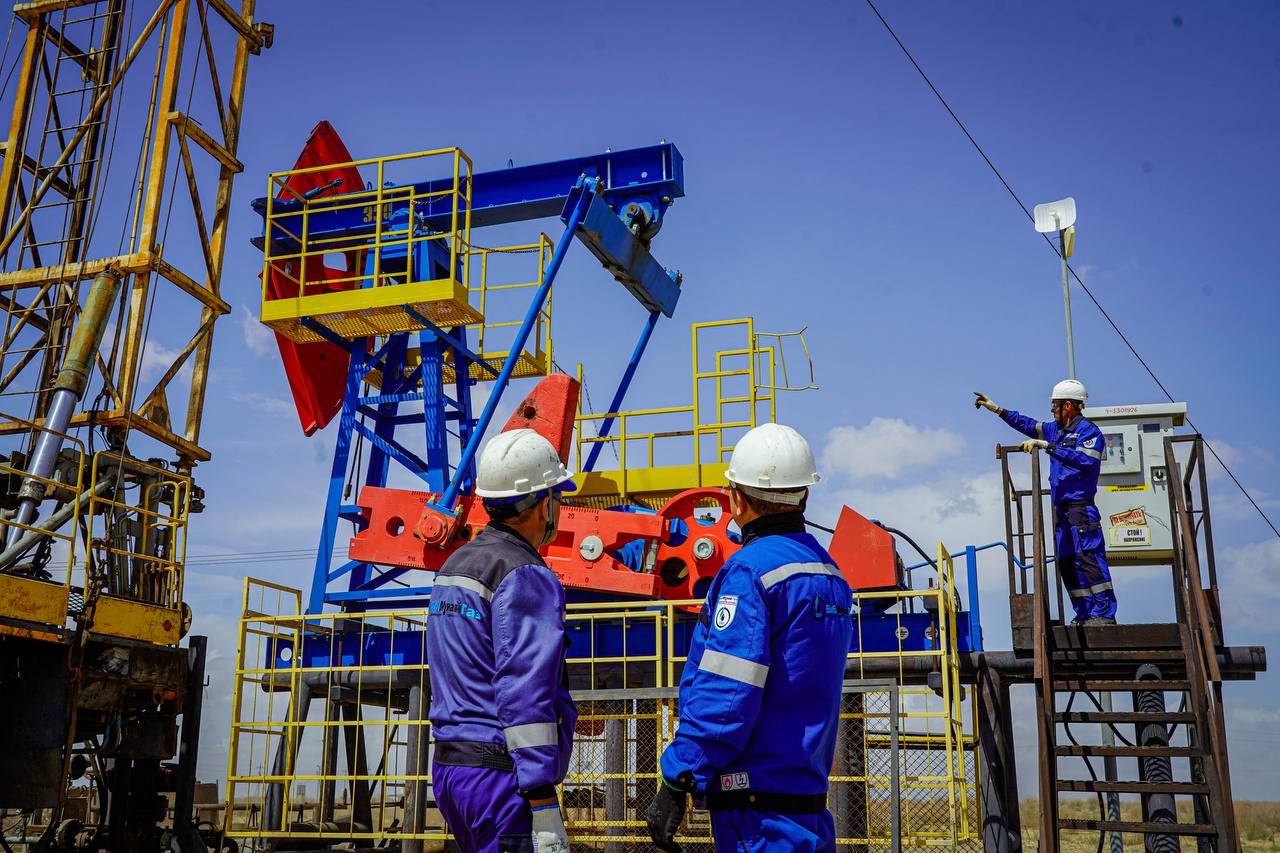
Australia's Grand Gulf Energy plans oil/gas exploration in Kazakhstan
18 November 2026
-

Vietnam moves to consolidate railway industrial hub plans to prevent redundant spending
18 November 2026
-

S Korean giant SK shifts investment strategy in Vietnam
18 November 2026


 京公网安备
11010802030424号
 京ICP备19046776号-2