Argentine construction in deep recession as public works stop
29 March 2024
Construction activity in Argentina fell 22% in January compared with the same month in 2023, and declined 10% in the month from December, says a report from Indec, the official compiler of Argentine statistics.
The deep recession comes after the country’s new far-right president, Javier Milei, all but cancelled public works amid skyrocketing inflation.
Indec measures physical inputs to projects, like Portland cement, steel, and bricks.
Asphalt use fell 62% in January, while plaster fell 41% and steel and iron fell 39%, it found.
Building permits fell 10% year on year.
No more public works
Javier Milei assumed office on 10 December and scrapped the Ministry of Infrastructure last month, transferring its responsibilities to the Ministry of the Economy.
His plan is to cut public spending on infrastructure to a minimum and encourage private sector investment instead.
Initially, Argentine business leaders, including the Argentine Chamber of Construction (Camarco), welcomed the plan.
“The country requires a clear path in economic matters, with long-term political consensus to abandon the period of stagnation and decline,” the chamber said.
But by January, Camarco president Gustavo Weiss was expressing concern at an “unprecedented crisis” and a suspension of public sector work that had generated unpaid invoices worth more than $30m among his members.
Wary investors
Investors are wary of bringing projects forward owing to Argentina’s high inflation.
The annual increase in the retail price index last year was 211%, with the construction sector in the Buenos Aires metropolitan area reaching 223%.
In 2024, the national rate is expected to reach 280%.
Weiss warned that public sector work wasn’t sufficiently profitable to attract the private sector.
“The government wants everything to be concessioned and the works to be done by private parties, but [former infrastructure minister] Guillermo Ferraro knows that there are works that cannot be done by the private sector because they are not profitable and the state has to address them,” he told news outlet Ambito.
Extraordinary legislative powers
Economic commentators expect that the government will try to bring inflation under control by taking demand out of the economy, although real wages are already at their lowest level since 2003.
This is likely to cause a rapid decline in capital spending, which tends to hit the construction industry first.
Beyond infrastructure, the government is bringing forward omnibus bills that will abolish or amend large areas of Argentine law.
A critical commentary on the programme, written by Argentine think tank the Centre for Social and Legal Studies, comments that the government is seeking a two-year period in which it can exercise extraordinary legislative powers.
The aim is to introduce market-based reforms into the healthcare, education and housing sectors while effectively outlawing public protest.
Related
-
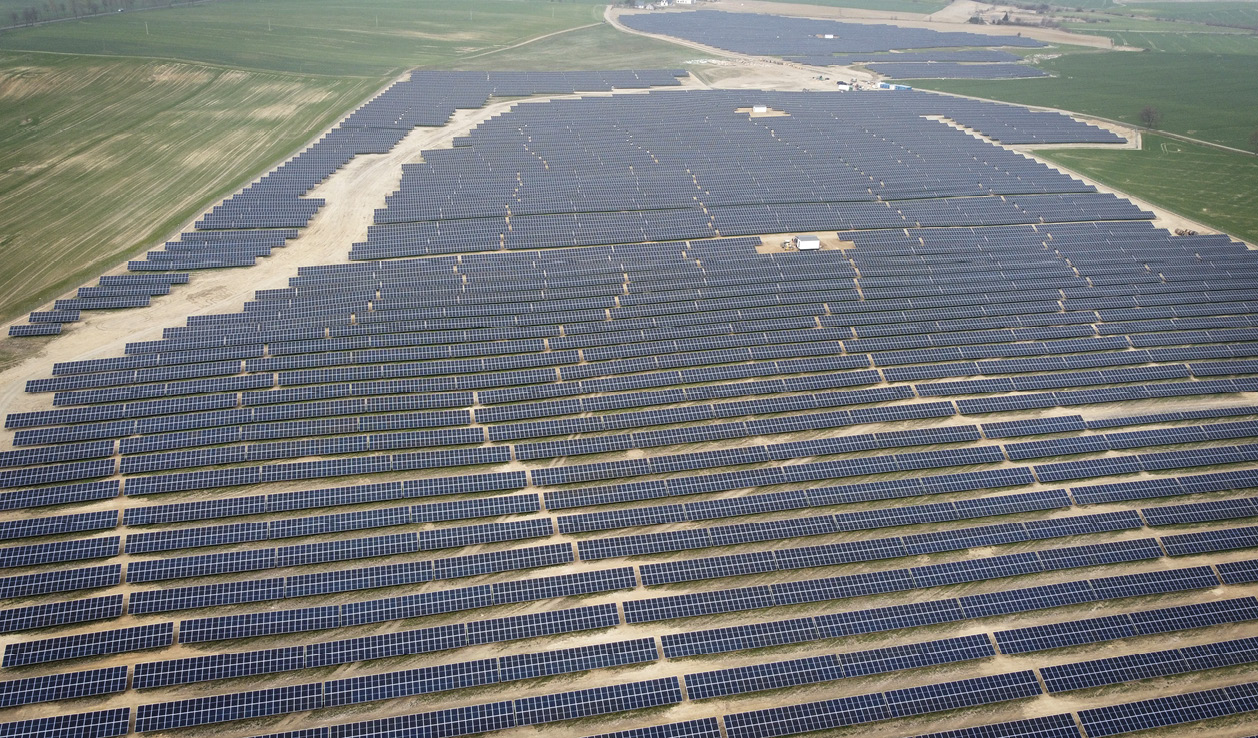
Poland awards 1.81 GW of solar in latest renewables auctions
18 November 2026
-

Vietnam’s energy security under pressure as net energy imports near 44%
17 November 2026
-

Reservas probadas de gas natural en Bolivia caen a 2,3 TCF, el más bajo nivel registrado en dos décadas
17 November 2026
-

Ministerio de Hidrocarburos y Energías destaca logros de orden, austeridad y apertura de inversiones en el primer año de gestión del presidente Rodrigo Paz
17 November 2026
-

Canadian budget sets out nuclear investments
12 November 2026
-

Japan to assess renewable, storage technologies beyond PV and wind
11 November 2026
You might also like...
-

Sabey Data Centers signs 10-year Texas solar agreement covering 43.5 MW
19 November 2026
-

$900bn Anthropic Data Centre Construction Bet Shapes AI Infrastructure Expansion
19 November 2026
-

$785M Los Alamos Computing Facility advances towards construction approval in University of Michigan
19 November 2026
-

Intermountain Health Breaks Ground on New 521,000-Square-Foot LDS Hospital in Salt Lake City
19 November 2026
-

LA ABC, GOBERNACIÓN Y TRANSPORTE ACUERDAN REINICIAR TRABAJOS DE SELLADO DE JUNTAS, BERMAS Y MANTENIMIENTO CONSTANTE EN EL DESVÍO PARA REACTIVAR LA DOBLE VÍA ORURO – CHALLAPATA
18 November 2026
-

GOBIERNO PROMULGA DECRETO SUPREMO PARA EL FINANCIAMIENTO DE $US 95 MILLONES DE LA CAF DESTINADO A LA RUTA SANTA BÁRBARA – CARANAVI EN LA PAZ QUE CONSOLIDA EL CORREDOR ESTRATÉGICO OESTE - NORTE
18 November 2026


 京公网安备
11010802030424号
 京ICP备19046776号-2