US battery storage demand to surge within this decade, says SEIA
3 January 2024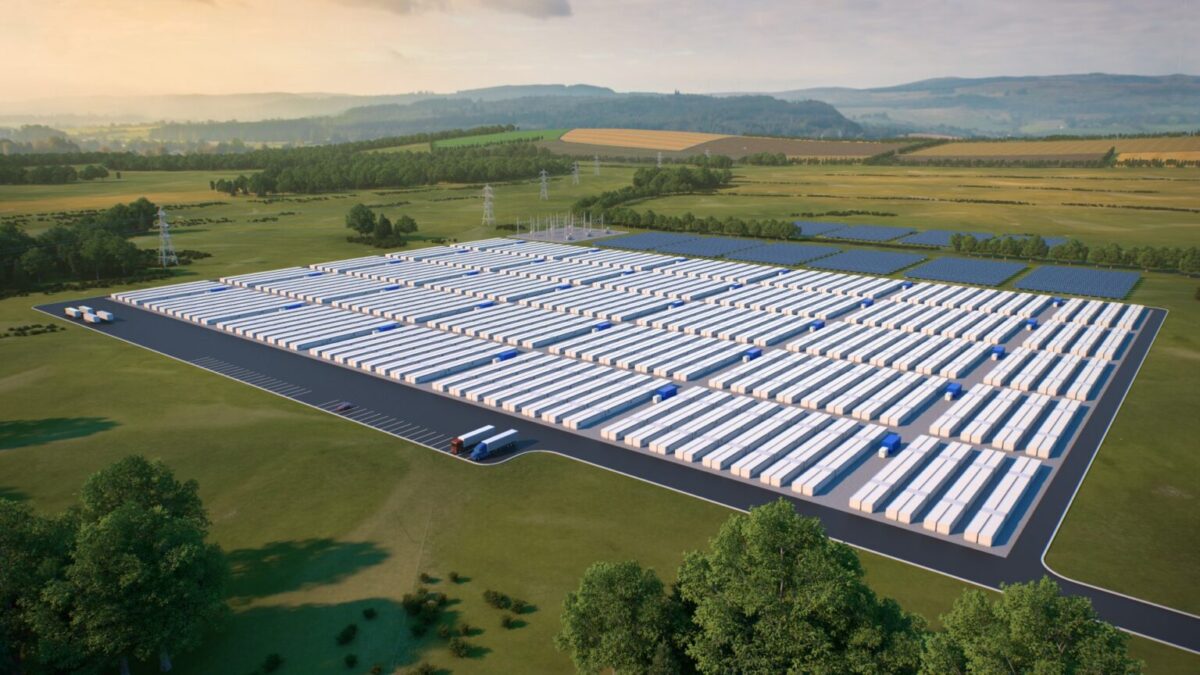
SEIA said in its new “Energizing American Battery Storage Manufacturing” report that credits offered through the US Inflation Reduction Act (IRA) have spurred the adoption of electric vehicles, energy storage and other forms of electrification. However, domestic battery manufacturing is still in its nascent stages.
Just over a year ago, in quick response to the IRA incentives, a number of manufacturers revealed plans to set up shop in the United States, and the announcements continue. Freyr unveiled a multi-phase project that is expected to bring battery manufacturing to Georgia. Kore Power recently secured a conditional loan commitment from the US Department of Energy Loans Program Office to build battery cells for electric vehicles and grid-scale storage. LG Energy Solution also recently quadrupled its planned investment in two manufacturing plants in Arizona.
While the announced buildout of domestic manufacturing is promising, many questions remain as to whether manufacturers can overcome the many hurdles on the way to meeting growing storage needs. According to the SEIA report, US manufacturing capacity for all lithium-ion battery applications is currently at 60 GWh, while demand for battery energy storage systems (BESS) in the US market is likely to increase over sixfold from 18 GWh to 119 GWh by 2030.
The SEIA report forecasts that the announced manufacturing facilities could increase domestic capacity to over 630 GWh over the next five years. However, much of this supply may be directed toward meeting demand of EV manufacturers, rather than that of non-vehicle applications such as BESS.
SEIA said more than 25% of the new factories have not publicly stated their intended markets and some (if not all) of their capacity may go to BESS, so there is still hope for steady supply.
Most batteries manufactured in the United States are lithium, and while the country has vast reserves of lithium, other materials are needed such as phosphorous and graphite. These materials are sourced primarily from outside the United States, so domestic manufacturers are competing on a global scale, often finding high prices and short supply.
As with the rest of the renewable energy buildout, securing a strong, skilled workforce is a challenge. According to the SEIA report, roles critical to energy storage supply chains include mining, chemical and electrical engineers, machine operators, production technicians, and more. While apprenticeship incentives are part of the IRA, growing the workforce long term requires committed collaboration among manufacturers, government agencies, training facilities, and other stakeholders.
Building a domestic renewable energy supply chain includes support for energy storage development at all levels, and the report contends that this will require investment, partnerships with experienced manufacturers, and collaboration with allies.

Related
-

TÖDEB urges expanding fintech cooperation among Turkic states
14 October 2026
-

Zambia Exceeds Its 1,000 MW Solar Target With 1,027 MW Installed
13 October 2026
-

Trump announces Russian diesel deal amid soaring US fuel prices
10 October 2026
-

South Africa to procure 4.6 GW of battery storage
9 October 2026
-

AfDB, German Ministry partner to develop Africa railway systems' regional integration
3 October 2026
-

Metals Exploration completes $27m La India loan withdrawal
29 September 2026


 京公网安备
11010802030424号
京公网安备
11010802030424号  京ICP备19046776号-2