Security Bank stops financing coal in Philippines
15 May 2022
Security Bank announced that it will no longer extend financing to coal-fired power facilities in its bid to align its project funding strategy to the goals of the Paris Agreement and the climate change diplomacy based of the 26th Conference of the Parties (COP26) on abating climate change risks.
In a statement to the media, Security Bank noted that it will exit coal project financing by 2033 – or roughly a decade from now, so it can contribute to the global goal “to cut greenhouse gas emissions and limit global warming for a more sustainable future.”
Security Bank qualified that as it moves away from coal-fueled energy generation projects, “it will work with its clients in the energy sector who are committed to sustainable development by supporting the use of low carbon energy sources and financing new technologies to help in the transition to a low-carbon economy.”
It emphasized that “the bank will provide these clients with support, both from a lending and capital market perspective.”
According to Eduardo Olbes, chief finance officer and chairman of the Sustainability Committee of Security Bank, the plan on ceasing coal project funding had been anchored on its Environmental and Social Risk Management System (ESRMS) that was approved by the bank’s board last year.
“A key aspect of the ESRMS is our coal policy, which specifies our commitment to discontinue financing the construction of new coal-fueled power generation plants, with a view to exit funding coal generation by 2033,” he stressed.
The bank’s self-designed ESRMS casts “the policies and enhanced due diligence required for identifying, addressing, and mitigating environmental and social risks in (its) operations, lending and investing practices, and supply chain.”
Olbes reiterated that “Security Bank is committed to long-term sustainability by advocating lending, investment, and procurement activities that will help the country transition to a lower carbon economy and build resilience to climate change.”
Although the updated 2020-2040 Philippine Energy Plan (PEP) already targets investment shifts to renewable energy (RE), the realistic situation for the country is it might still need to rely on coal plants within the short- to medium-term due to recurring problems of power supply shortages.
Security Bank similarly cited market research undertaken by Statista that “the Philippines still relies heavily on coal as the main source of energy with 57-percent of the country’s energy needs coming from it,” while 21-percent of energy resources are provided by RE technologies that include hydro, wind, solar and geothermal.
Apart from scrapping coal financing in its lending portfolio, Security Bank indicated that it will also be pursuing other initiatives that are anchored on the United Nations Sustainable Development Goals.
These will include promoting “decent work and economic growth,” as well as industry, innovation and infrastructure buildup – that shall be integrated into its mission of “enriching lives, empowering businesses and building communities sustainably.”
Related
-

Azerbaijan's metallurgical output rises over 6% in nine months
17 October 2026
-

Oxford Institute warns of fiercer Europe-Asia LNG competition in winter
17 October 2026
-

Uzbekistan escrow transactions rise 3.8% to 34,659 in September
17 October 2026
-

Uzbekistan, World Bank review jobs, productivity and private investment
17 October 2026
-

Eleven German Associations Oppose Additional Grid Fee for Solar Installations
16 October 2026
-

Figures attributed to IRENA on African mini-grids remain unconfirmed
16 October 2026
You might also like...
-
Northland completes installation of all 73 Hai Long turbines in Taiwan
19 October 2026
-
Helios Solar Signs MOU With Keong Hong for Renewable Energy Projects
19 October 2026
-

Humain tenders 100MW Riyadh AI data centre
19 October 2026
-
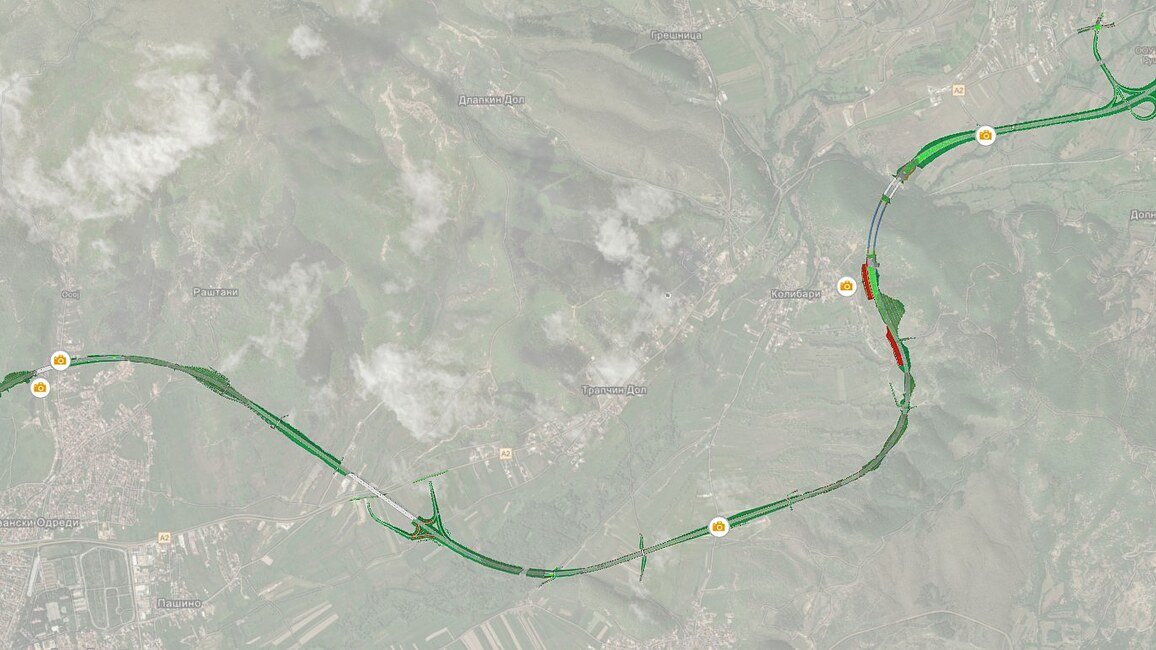
STRABAG consortium awarded a 219-million-euro infrastructure project in North Macedonia
18 October 2026
-

Valfabbrica project enters final phase following major traffic switch (Italy)
17 October 2026
-

BESIX Group rises to 44th place in ENR’s Top 250 International Contractors ranking
17 October 2026


 京公网安备
11010802030424号
京公网安备
11010802030424号  京ICP备19046776号-2